All About the Rodent Smoke Examination: A Proven Technique for Identifying Rodent Infestations
The Rodent Smoke Test works as a useful analysis device for discovering rodent infestations in structures. By utilizing non-toxic smoke, this method reveals airflow patterns that can indicate potential access factors. Comprehending exactly how the test runs and the benefits it supplies can significantly aid homeowner. Nevertheless, the details of getting ready for the examination and analyzing its outcomes are necessary for effective application. What essential steps should one take into consideration prior to performing this examination?
What Is a Rodent Smoke Test?
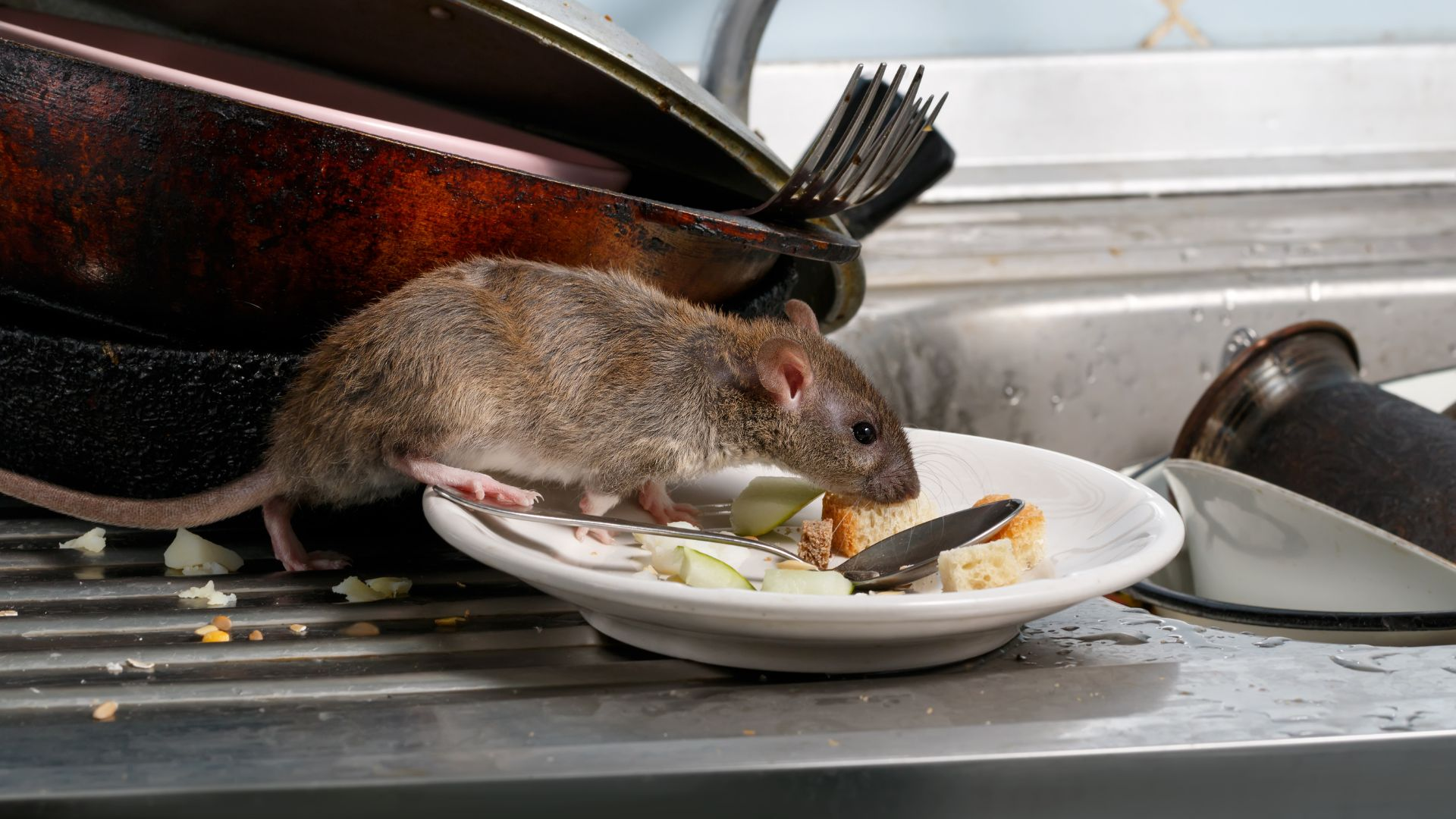
The test is particularly effective in buildings where rodent infestations are believed, as it exposes hidden vulnerabilities that may or else go undetected. The smoke, which distributes easily, will escape with any openings, permitting experts to identify areas that call for securing or repair services.
Ultimately, the rodent smoke examination serves as a proactive measure in bug management, assisting in the avoidance of future infestations by making sure that buildings are appropriately sealed against undesirable wild animals. This strategy emphasizes the value of preserving a protected environment to prevent rodents efficiently.
Just How the Rat Smoke Examination Functions
The Rodent Smoke Examination involves certain preparation steps to ensure accurate results. Comprehending just how to translate smoke patterns is vital for recognizing potential rodent entrance points. This process supplies beneficial insights into rodent behavior and environment choices.
Test Preparation Steps
Reliable preparation is essential for the successful implementation of the Rodent Smoke Test. This procedure starts with a thorough evaluation of the premises to identify prospective entrance points for rodents. Validating that all vents, doors, and windows are firmly shut will certainly protect against any unintended retreat of smoke during the test. Next off, the location must be free from any type of products that might obstruct the flow of smoke or conflict with the results. The smoke-generating tool needs to be placed tactically to optimize protection of the test location. It is necessary to educate residents of the approaching test to ensure their safety and security and convenience. Correct preparation establishes the stage for precise cause recognizing rodent infestations.
Translating Smoke Patterns
When performing the Rat Smoke Examination, translating the patterns of smoke is vital for recognizing hidden rodent paths. As the smoke is introduced into possible access points, it travels via any openings or gaps in the framework. Observers must keep in mind where the smoke distributes rapidly, showing a direct path preferred by rats. On the other hand, areas where smoke lingers recommend that the path might be blocked or much less frequently utilized. In addition, the direction of smoke activity can expose hidden burrows or nests. An extensive examination of these patterns enables pest control professionals to determine vital locations for treatment, ensuring a more efficient obliteration approach. This method highlights the significance of detailed smoke evaluation in finding rodent task.
Benefits of Making Use Of the Rodent Smoke Examination
The Rat Smoke Test offers substantial benefits in parasite administration. Its quick detection technique allows for the rapid identification of rodent problems, assisting in prompt treatments. Additionally, the non-invasive approach reduces disruption to the setting, making it an effective option for home owners.
Quick Detection Technique

Non-Invasive Technique
Many parasite control approaches can be intrusive and turbulent, the Rat Smoke Examination stands out for its non-invasive nature. This technique utilizes safe smoke to determine rodent paths without the requirement for substantial excavation or architectural modifications. By presenting smoke into possible access factors, residential or commercial property owners can conveniently observe exactly how it takes a trip and where rodents might be infiltrating. This method lessens disturbance to the setting and existing structures, enabling a quick evaluation of the problem. In addition, the Rat Smoke Test is effective in identifying trouble locations, enabling targeted interventions. Because of this, it not just preserves resources however likewise decreases the stress often linked with even more typical parasite control approaches, making it an attractive choice for many.
Determining Entry Points and Nesting Areas
Determining access factors and nesting areas is crucial in efficiently managing rodent infestations. Rats are proficient at making use of little openings, usually as little as a quarter of an inch. Typical entrance points consist of spaces around pipelines, vents, and windows, as well as fractures in walls and structures. Examining these locations extensively can reveal potential gain access to courses for rats.
Nesting areas can often be located in surprise areas such as attics, cellars, More Help or wall surface spaces - Rodent Smoke Test. Signs of nesting include droppings, chomp marks, and shredded materials. Utilizing an organized approach, building owners ought to perform routine evaluations, concentrating on both outside and interior locations. Keeping an eye on for indicators of activity, such as impacts or fur, can likewise aid in determining these essential places. By identifying entry points and nesting locations, reliable control measures can be carried out, protecting against additional rodent attacks and guarding the residential property
Planning for a Rodent Smoke Examination
Preparing for a rodent smoke examination calls for cautious preparation and interest to information to guarantee reliable results. The location must be completely inspected to identify possible entry factors and nesting sites, making particular that all feasible places are covered during the test. Next off, the setting must be free from any type of blockages or items that may disrupt the smoke's dispersion. It is necessary to secure any type of determined access factors momentarily, making use of materials such as tape or plastic to avoid outside air from thinning down the smoke. Furthermore, the smoke resource should be very carefully selected, ensuring it is appropriate for indoor usage and risk-free for the inhabitants. It is advisable to inform any kind of structure residents regarding the test timetable to decrease exposure to smoke and guarantee their safety. Complying with these actions will enhance the efficiency of the rodent smoke examination and provide clearer understandings into potential invasions.
Analyzing the Results of the Examination
Once the rodent smoke examination has been conducted, translating the outcomes becomes necessary for understanding the level of any type of invasions. Rodent Smoke Test. Onlookers need to very closely examine the locations where the smoke has actually escaped, as this suggests potential entrance points for rats. If the smoke spreads quickly via spaces, cracks, or openings, it symbolizes that these openings may be utilized by rats for gain access to
Moreover, the existence of smoke in certain areas can suggest nesting websites or pathways regularly taken a trip by rats. Scent-laden deposits or dark spots left behind can better validate active invasions.
It is essential to separate between significant violations and small leakages. A minimal number of smoke escape factors could suggest isolated rodent task, while widespread dispersal suggests a more major problem. Recognizing these results enables homeowner to evaluate the seriousness of addressing the problem and aids guide succeeding activities for reliable rodent control.
Following Actions After Carrying Out the Test
After interpreting the results of the rodent smoke examination, residential or commercial property owners have to take definitive activity to attend to any type of determined problems. Prompt measures ought to be used to seal these access factors if the test reveals paths utilized by rodents. This may include repairing holes, installing door moves, and reinforcing vents.

Next, homeowner must consider speaking with bug control experts to analyze the extent of the problem and establish a customized extermination plan. Routine tracking and upkeep need to comply with to avoid future incidents.
Additionally, it is vital to eliminate possible food sources by securing waste and keeping food correctly. Homeowner may additionally intend to perform more inspections to determine nesting websites or other indications of rodent activity. By carrying out these actions, they can effectively alleviate the threats connected with rodent infestations, guaranteeing a healthier living atmosphere.
Regularly Asked Questions
How Usually Should I Conduct a Rat Smoke Test?
The suggested frequency for conducting a rodent smoke examination varies, yet normally, it needs to be carried out at the very least two times a year or after any type of substantial structural adjustments, ensuring ongoing monitoring for possible rodent invasions.
Is the Smoke Used Harmful to Animals or Human Beings?
The smoke utilized in the rodent test is usually considered non-toxic to family pets and people when applied properly. People need to establish correct air flow and speak with product guidelines to mitigate any kind of prospective risks.
Can I Conduct a Rat Smoke Test Myself?
Performing a rodent smoke test independently is possible, however it needs details devices and knowledge. Rodent Smoke Test. Appropriate safety precautions need to be complied with to guarantee performance and lessen risks to health and wellness and residential property during the process
What Should I Do if I See Smoke Escaping?
If smoke leaves throughout the examination, the individual needs to try this instantly cease the treatment, recognize the source of the leak, and assess possible entrance factors for rodents. Consulting a professional parasite control service is encouraged for resolution.
Are There Any Different Approaches to the Smoke Test?
Yes, different methods to the smoke test include using infrared electronic cameras to find warm signatures, aesthetic inspections for droppings, and using lure stations to monitor rodent task. Each technique uses unique advantages for determining problems.
The Rodent Smoke Test serves as a valuable diagnostic device for finding rodent problems in structures. When conducting the Rat Smoke Examination, translating the you can try these out patterns of smoke is crucial for identifying hidden rodent pathways. A rapid and efficient detection approach, the Rodent Smoke Test provides considerable advantages for recognizing prospective access factors in frameworks. When the rodent smoke examination has actually been carried out, analyzing the results becomes necessary for recognizing the extent of any kind of problems. If smoke escapes during the test, the person must quickly discontinue the procedure, determine the source of the leakage, and analyze possible entrance points for rodents.